OpenAI GPT-5.6 is officially here, and it landed in a way almost nobody predicted. On June 26, 2026, OpenAI previewed not one but three new models, named Sol, Terra, and Luna, and then in the same breath limited who is actually allowed to use them. So if you were planning to open ChatGPT this weekend and play with the newest model, there is a catch you will want to understand first.
Let me break down what is genuinely new, who gets access, and why this launch feels different from every GPT release before it.
What is different about OpenAI GPT-5.6
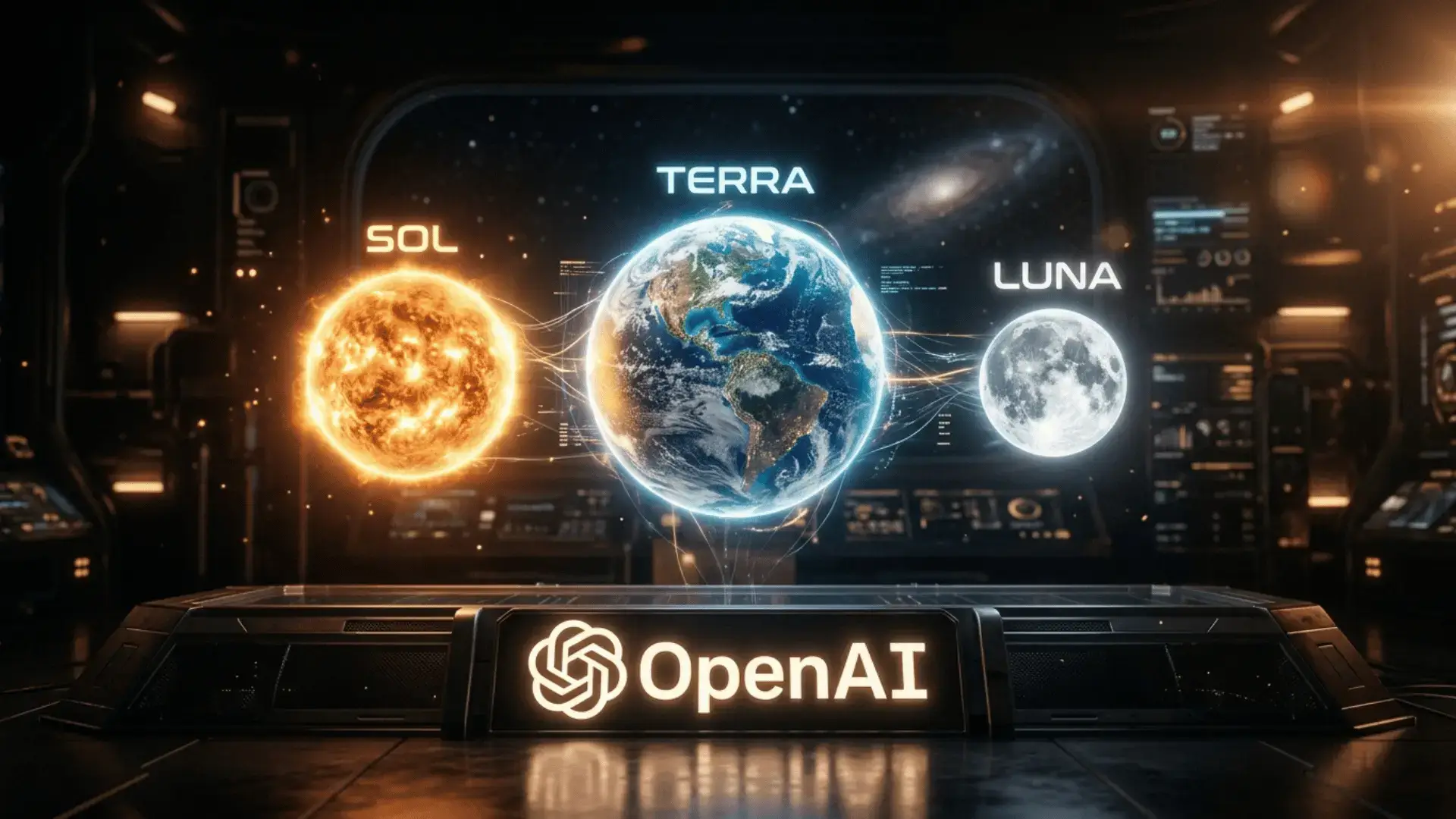
Instead of a single flagship, OpenAI GPT-5.6 is a family of three tiers, each built for a different job:
- Sol is the new flagship, aimed at frontier reasoning, coding, science, and cybersecurity. This is the headline grabber.
- Terra is the sensible workhorse, described as competitive with last generation’s GPT-5.5 but at roughly half the cost. For most businesses, this is the one that quietly does the daily work.
- Luna is the fastest and most affordable, built for high volume tasks where speed and price matter more than raw power.
OpenAI also added new ways to dial up reasoning, plus an ultra mode that splits a task across multiple sub agents working together. In other words, the model can break a hard problem into pieces and tackle them in parallel.
The catch: a heavily restricted rollout
Here is where GPT-5.6 breaks the usual pattern. OpenAI is releasing it as a limited preview to only around 20 companies, and it did so at the request of the U.S. government, which wanted a safety review before a wide launch. During the preview, the models are available through the API and Codex only. ChatGPT is not included yet.
OpenAI says it plans to make Sol, Terra, and Luna generally available in the coming weeks but has not given a date, and the company openly called this kind of government access gate unsustainable. It is the same treatment recently applied to Anthropic’s powerful Fable 5 and Mythos 5 models, which suggests a new normal for frontier AI launches.

The number developers cannot stop talking about
Here is the detail that tells you how big this really is. Across the OpenAI developer forum and r/singularity, the people who track every model launch are fixating on one stat: on the ExploitBench cybersecurity test, Sol reportedly matches or beats Anthropic’s Claude Mythos 5 while using around 80 percent fewer output tokens. Fewer tokens for the same result means lower cost and faster answers, which is a quiet but huge deal at scale. Those same threads are also full of frustration, with developers comparing this government gated launch to the restrictions Anthropic faced and asking when normal access returns.
What OpenAI GPT-5.6 means for you
If you are a regular ChatGPT user, the honest answer is: wait a few weeks. The preview is locked to a small group of partners, so the newest model will reach the ChatGPT app only after the broader rollout. If you build with AI, Terra is the one to watch, since a GPT-5.5 level model at half the price could quietly replace a lot of older, pricier deployments.
Want to put your AI chats to better use while you wait? See our guide on how to build an AI chatbot conversations archive, and read the official details on the OpenAI preview page.
This was a wild week in AI. Catch up on Adobe buying Topaz Labs and the Gemini 3.5 Pro delay too.
Over to you: which one would you run?
Be honest with me in the comments, which model are you reaching for first, Sol for the heavy reasoning, Terra for the price, or Luna for raw speed? And what is your real take on a government gate deciding when the rest of us get access, a fair safety move or a sign that frontier AI is quietly slipping behind closed doors? Drop your pick and your reasoning below. If you have already tested GPT-5.6 through the API, do not keep it to yourself, tell us what genuinely surprised you, because one honest hands on note is worth more than ten benchmark charts.