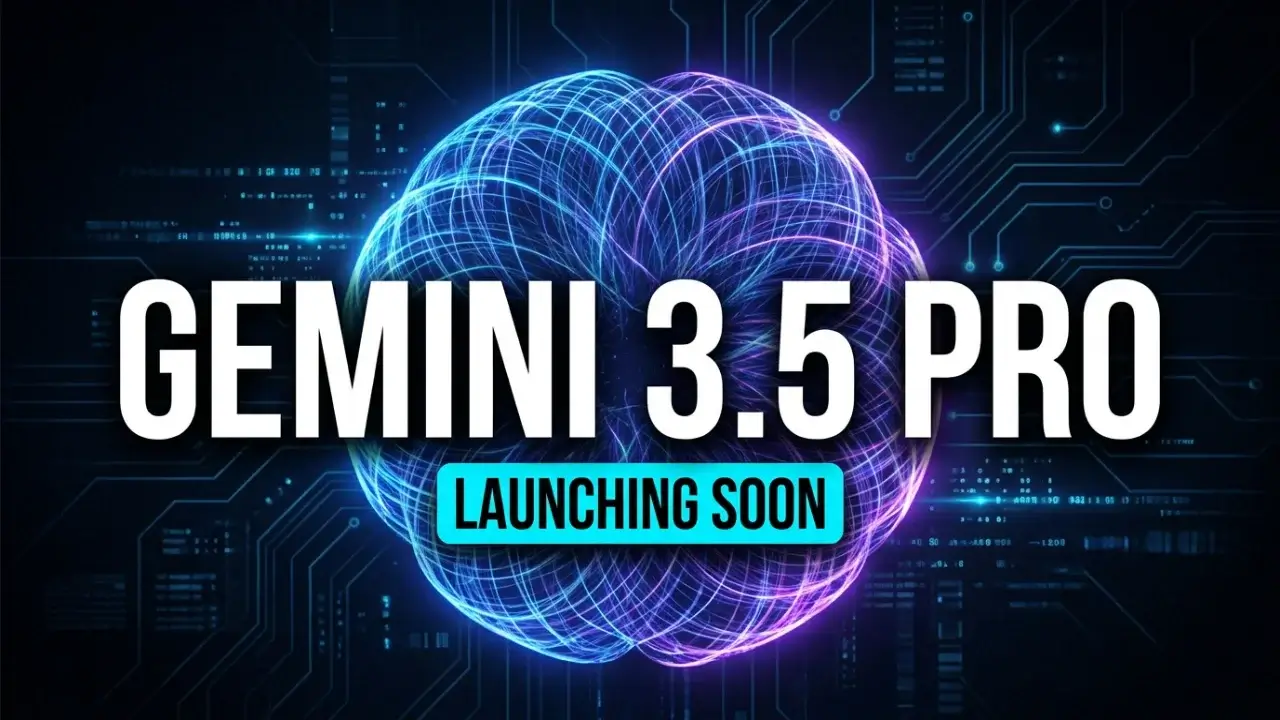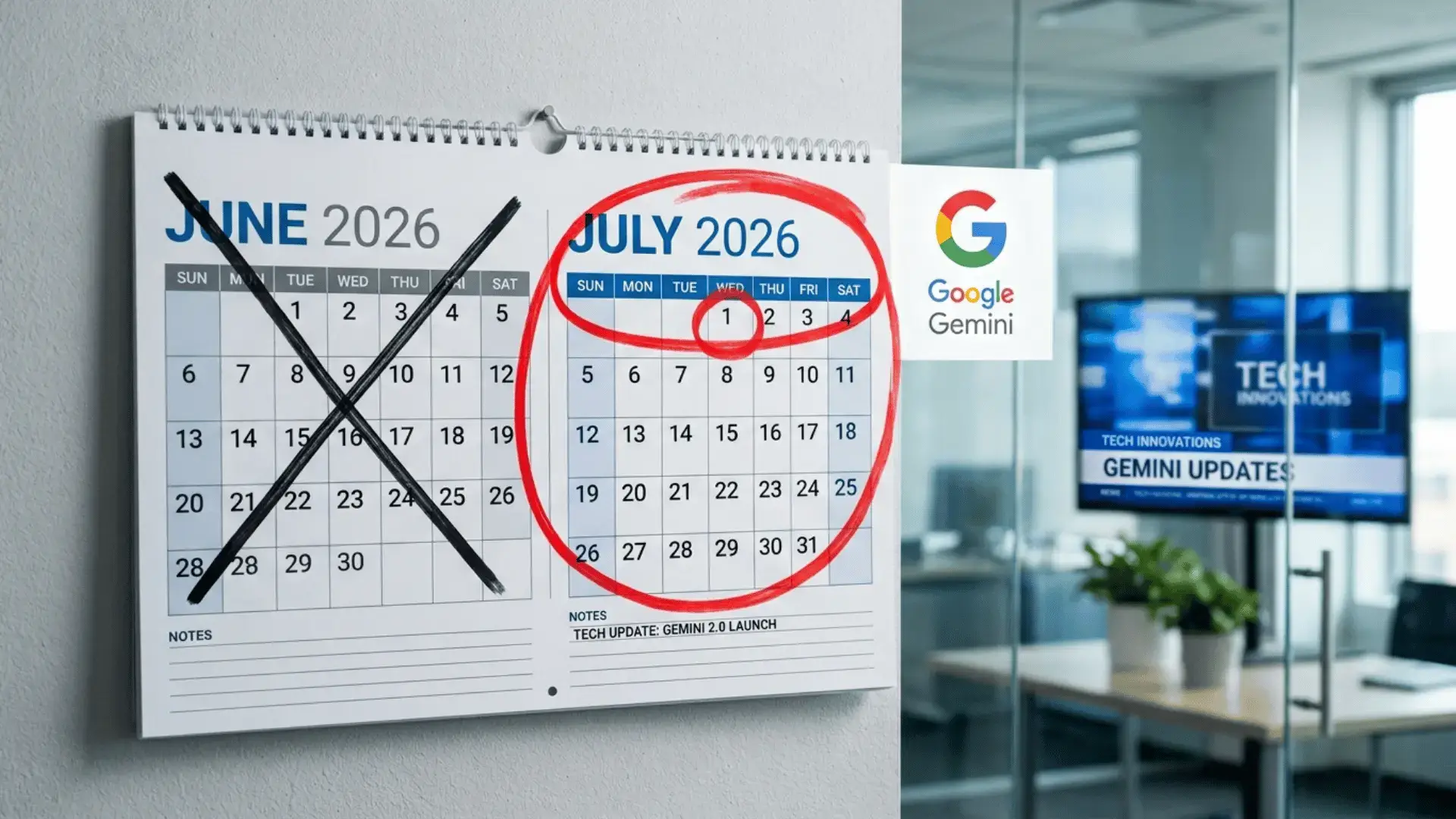
Gemini 3.5 Pro delayed is not the headline Google wanted heading into summer. After CEO Sundar Pichai stood on the Google I/O stage in May and promised the flagship model would arrive next month, Google has quietly pushed Gemini 3.5 Pro from June to July 2026. For developers and fans who marked their calendars, the broken timeline raises one blunt question: what actually went wrong?
Here is what we know, why the delay happened, and the messier story sitting just behind it.
Why Gemini 3.5 Pro was delayed
According to a Business Insider report from reporter Hugh Langley, Google is taking extra time to gather feedback from early testers and refine the model before a wider release. The company also folded in lessons from its Gemini 3.5 Flash model, including criticism that Flash burned through tokens too quickly. As of late June, Gemini 3.5 Pro sits in a limited Vertex AI enterprise preview, Google has declined to comment, and there is still no exact July release date.
On its own, a few extra weeks of polish would be a non story. Companies slip launch dates all the time. But the timing makes this one sting, because Pichai did not hedge on stage. He told the I/O crowd, give us until next month, and that month has now come and gone.
The bigger problem behind the Gemini 3.5 Pro delay
The delay is only half the story. In the same window, reports surfaced that four senior Gemini researchers left Google for rival Anthropic within just a few days of each other. A missed deadline is survivable. A missed deadline paired with a wave of senior talent walking out the door is the kind of pattern that makes developers building on Google’s stack nervous.
It also lands at an awkward moment competitively. Anthropic’s Claude Fable 5 has been dominating the AI conversation, OpenAI just previewed GPT-5.6, and Google, despite shipping Gemini 3.5 Flash back on May 19, suddenly looks a step behind on its flagship.
The signal coming straight from testers
Here is the part the official statements leave out. On r/GeminiAI and Google’s own AI developer forum, the talk is less about the date and more about quality. Leakers and developers point to a checkpoint that reportedly still lacks fresh 2026 knowledge and shows what they call laziness on long, complex tasks, which lines up neatly with Google’s stated reason for buying more time. One widely shared post, viewed tens of thousands of times, even listed what testers are hoping the delay fixes: stronger vision, better memory, sharper multimodal reasoning, and less of that long task drop off. When the community wish list matches the company’s excuse, the delay starts to make sense.
When can you expect Gemini 3.5 Pro
For now, the target is sometime in July 2026, with no firm date. If you cannot wait, Gemini 3.5 Flash is already generally available in the Gemini app, Google AI Studio, and the API, and it is fast and cheap even if it is not the flagship. When the Pro model card finally drops, watch for real benchmark numbers rather than stage promises.
You can read the original report on Business Insider, and if you are choosing AI tools in the meantime, our roundup of the best free AI apps for Android can help.
More from this busy AI week: Adobe acquires Topaz Labs and OpenAI launches GPT-5.6.
What do you think: fair delay or red flag?
Now I want your read, and I want it in the comments. Is a one month slip plus four senior researchers walking out just normal big company turbulence, or is this the exact moment Google quietly fell behind Anthropic and OpenAI? And the question everyone is dodging: are you still team Gemini, or has Claude or ChatGPT already won you over? Do not lurk, sound off below. And if you are inside the Vertex AI preview and have actually touched the new checkpoint, please settle it for us, is the laziness on long tasks real or overblown? The whole thread wants to know.